


Ingredient Control & Food Cost Intelligence
We built an operational platform for multi-location food businesses, connecting real ingredient consumption, recipes and sales data into a shared view of food cost, waste and location performance.
The problem
The challenges
before us.

Batch logs on paper, scattered and unreliable
Every batch opening was logged on paper or in a personal Excel file, fragmented across operators, impossible to query, with no reliable history when waste increased.

No way to benchmark performance
There was no way to know if one operator was wasting more than another, or whether a particular supplier's product yielded better. Without data, best practices couldn't be identified or spread.

Waste with no price tag
Every kilo lost during portioning had a cost, but no one knew the exact number. Without a yield benchmark, there was nothing concrete to improve toward.
Batch logs on paper, scattered and unreliable
Every batch opening was logged on paper or in a personal Excel file, fragmented across operators, impossible to query, with no reliable history when waste increased.
No way to benchmark performance
There was no way to know if one operator was wasting more than another, or whether a particular supplier's product yielded better. Without data, best practices couldn't be identified or spread.
Waste with no price tag
Every kilo lost during portioning had a cost, but no one knew the exact number. Without a yield benchmark, there was nothing concrete to improve toward.
The solution
What we
built.
The solution
What we built.
From supplier data to blocks
Weekly portioning workflow
Recipe-based consumption intelligence
Multi-location control
Supplier invoices or manual entries become structured ingredient blocks by product, supplier, weight and location. Intake data turns into measurable inventory inputs.
Stores open ingredient blocks during the week and close them with leftovers. Net usage, carry-over and losses are calculated across every location.
Recipes, target grams, ingredient costs and sales are connected to compare actual usage with expected consumption. Variance, rate and overcost become measurable.
Managers see ingredients and locations outside target, compare store performance and detect untracked Square items before cost gaps become recurring.
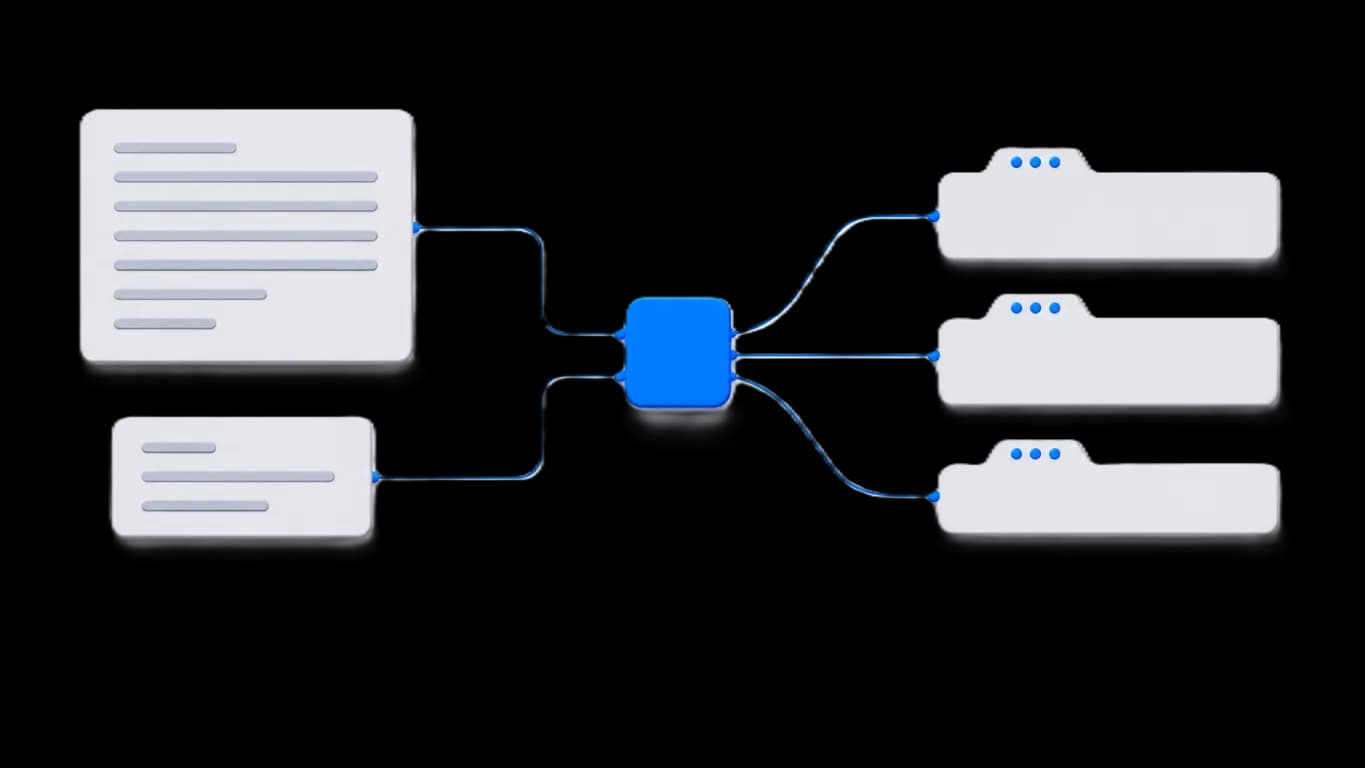
From supplier data to blocks
Supplier invoices or manual entries become structured ingredient blocks by product, supplier, weight and location. Intake data turns into measurable inventory inputs.
Next step
Want a similar result?
Start with a Pilot on your real process. We demonstrate feasibility before you scale.
Let's talk.
Write a question or click a chip...
Hi! I'm Rafiki's AI assistant. Ask me what we can automate in your industry, how our projects work, or how we can get started together.
Automated responses. For important decisions, book a call with the team.